
Description
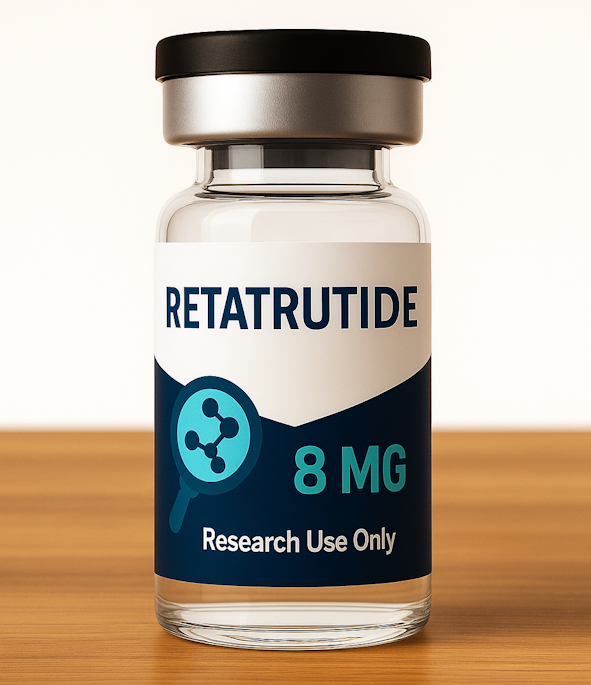
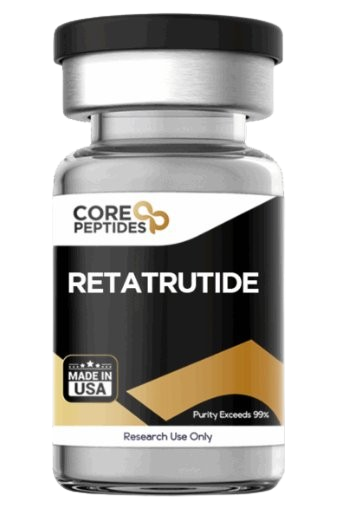
Retatrutide is an investigational synthetic peptide designed to simultaneously activate the three key hormones — GLP-1 (glucagon-like peptide-1), GIP (glucose-dependent insulinotropic polypeptide) and glucagon receptors — with the goal of supporting significant weight reduction, improved glycemic control, and favorable metabolic outcomes in adults with obesity or type 2 diabetes.
How Retatrutide Works
- By agonizing the GLP-1 receptor, Retatrutide promotes insulin secretion, delays gastric emptying and induces satiety. [1]
- Activation of the GIP receptor further enhances insulin release and may influence energy metabolism and fat deposition. [2]
- Glucagon receptor agonism increases energy expenditure (thermogenesis) and fat oxidation, complementing the appetite-suppression effects of the other pathways. [2]
- The combined triple-agonist approach (“one peptide, three targets”) is intended to achieve greater weight loss and metabolic improvement than single- or dual-agonist therapies. [4]
Key Clinical Highlights
- In a 48-week Phase 2 trial in adults with obesity, Retatrutide achieved dose-dependent mean weight reductions of about 22.8 % (8 mg) and 24.2 % (12 mg), compared to placebo. [3]
- In people with type 2 diabetes and overweight/obesity, Retatrutide demonstrated meaningful HbA1c reductions (≈1.3-2.0 %) and substantial weight loss in 36 weeks.
- Meta-analysis and systematic reviews of multi-receptor agonists (including Retatrutide) confirm strong benefits in body-weight loss, glycemic control and cardiometabolic markers versus older therapies. [5, 6]
- Safety profile: Generally consistent with GLP-1 receptor agonists (common GI side-effects: nausea, vomiting, diarrhea); long-term safety still under study. [7]
What It Means for Wellness & Metabolic Support
While Retatrutide remains investigational (not approved for general public use), its mechanism and data highlight these potential take-aways for future metabolic wellness strategies:
- A peptide-based therapy that goes beyond appetite suppression by also increasing energy expenditure
- The potential to support substantial fat-loss + glucose-control in a single agent
- A reminder that metabolic health (weight, blood sugar, fat distribution) is multifactorial—targeting multiple hormone systems may deliver more robust results
- Once approved (if it is), it could shape how we think about precision nutrition/med-nutrition adjacent to peptide-based therapies
Important Considerations
- Retatrutide is currently an investigational medication in Phase 3 clinical development—not a dietary supplement or readily available product.
- Like all potent agents, it may carry risks; safety in very long-term use remains under investigation.
- If/when such agents become available for metabolic support, adjunctive lifestyle factors (nutrition, movement, sleep) remain essential.
- Any use of peptide therapies should be supervised by a qualified healthcare provider—not self-administered outside controlled settings.
References
- Jastreboff AM, Kaplan LM, Frías JP, et al. Triple–Hormone-Receptor Agonist Retatrutide for Obesity — A Phase 2 Trial. N Engl J Med. 2023. New England Journal of Medicine
- Abouelmagd AA, et al. Efficacy and safety of retatrutide, a novel GLP-1, GIP … PMC. 2025. PMC
- Abdul-Rahman T. Retatrutide’s role in modern obesity and diabetes therapy. ScienceDirect. 2024. Science Direct
- Katsi V. Retatrutide — A Game Changer in Obesity Pharmacotherapy. PMC. 2025. PMC
- Park C. A glimpse into the pipeline of anti-obesity medication … Frontiers in Endocrinology. 2025. Frontiers
- Liu S, et al. Comparative efficacy of incretin drugs on glycaemic control … Frontiers in Endocrinology. 2025. Frontiers
- Jakubowska A, et al. The Road towards Triple Agonists: GLP-1, GIP and Glucagon Receptor — An Update. PMC. 2024. PMC
- Andrade S. GLP-1 and GIP may play a role in long-term weight … Frontiers in Endocrinology. 2025. Frontiers
- Deravi M. A Commentary on the Novel Triagonist Retatrutide for Obesity. PMC. 2024. PMC
- Li W, et al. Structural insights into the triple agonism at GLP-1R, GIPR … PMC. 2024. PMC
- Ramsbacher N. Retatrutide – PMC – NIH. PMC. 2024. PMC

Reviews
There are no reviews yet.